Home  Citrine
Citrine
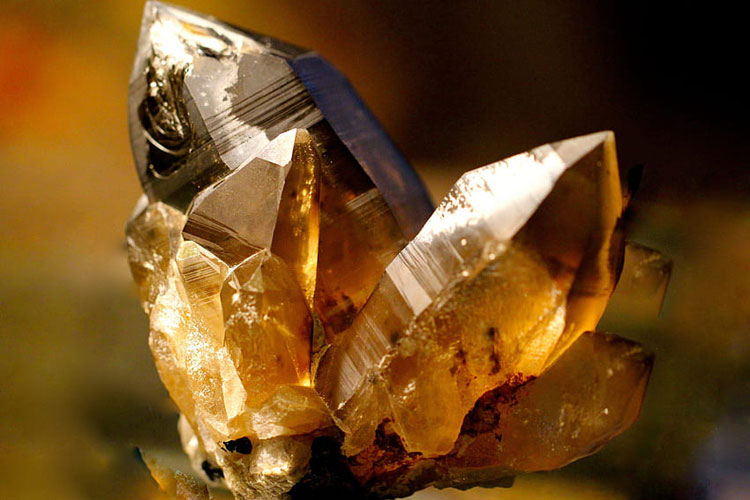
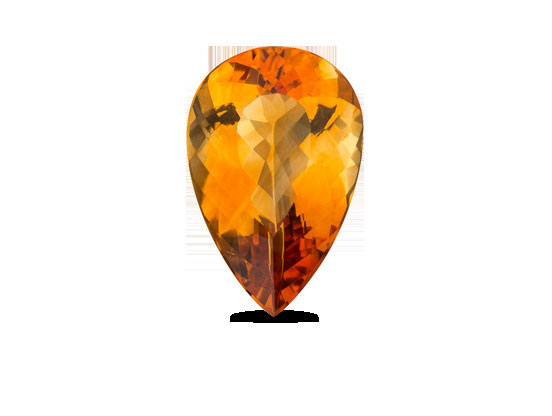 Citrine is like any quartz crystal or bunch that is yellow or orange in shade. Even though repeatedly severed as a gemstone, citrine is in fact somewhat uncommon in nature. Most citrines on the marketplace have been temperature treated. Specimens of low grade, low-priced amethyst or hazy quartz are often baked at soaring temperatures to create the more lucrative orange yellow citrine.
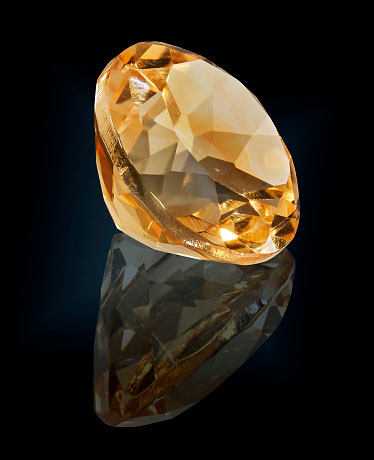
Citrines whose colors have been fashioned by non-natural ways is liable to encompass much further of a carroty or reddish caste than those established in nature, which are more often than not a pale yellow. Much of the normal citrine may have originated out as amethyst but heat up from close proximity magmata bodies that might have initiated the alteration to citrine. Citrine produced by heating amethyst may be returned to a purple color by bursting it with beta emission. Fascinatingly, a fashionable gemstone in the market is a combination of partly amethyst and partially citrine and is hence provided the name ametrine, produced by heating an amethyst to a point it turns into citrine, then radiating a portion of the resultant crystal or gemstone to translate that segment back to amethyst.
Regrettably for citrine it is repeatedly perplexed with the more luxurious orange-yellow topaz and is at times traded as topaz by deceitful dealers. These observers have soured many likely citrine fanciers who see citrine as a false topaz and not as a genuine gemstone.