Home  Aventurine
Aventurine
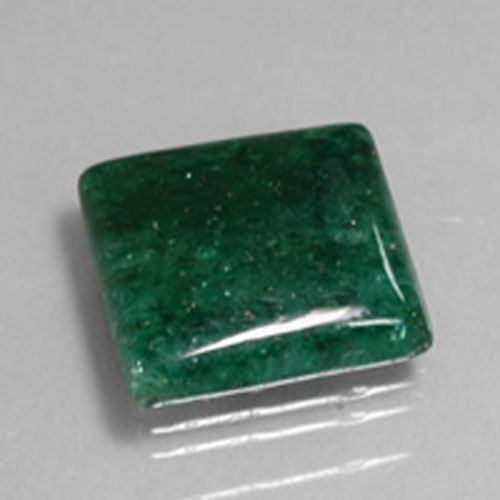 Aventurine is a variety of quartz, characterized by its flawlessness and the occurrence of platy mineral additions that provide a shimmering or shimmering effect termed aventurescence
The most regular color of aventurine is green, but it may possibly also be orange, brown, yellow, blue, or gray. Chrome-bearing fuchsite is the archetypal insertion, and provides a silvery bottle green or blue sheen. Oranges and browns are accredited to hematite or goethite. For the reason that aventurine is a rock, its corporeal properties shows a discrepancy: its specific gravity possibly will lie between 2.64-2.69 and its rigidity is somewhat lower than single-crystal quartz at around 6.5.
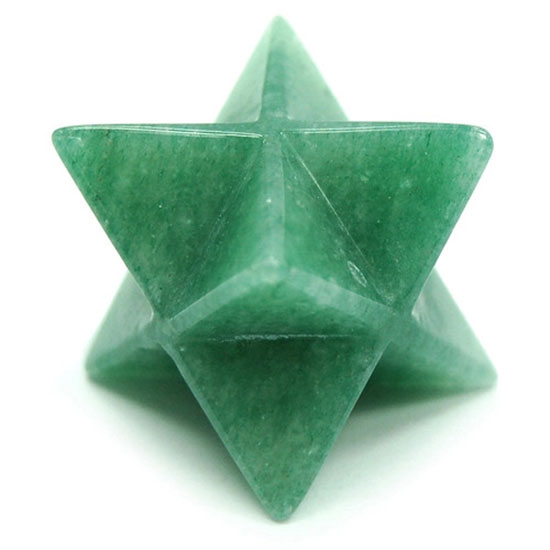
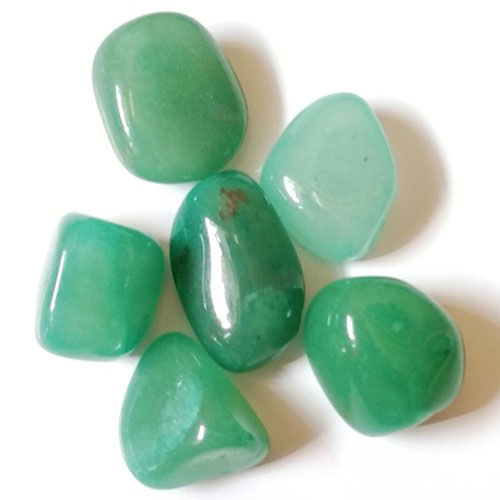
The preponderance of green and blue-green aventurine instigates in India (predominantly in the surrounding area of Mysore and Madras) where it is engaged by inexhaustible artisans. Creamy white, gray and orange substance is found in Chile, Spain and Russia. Most matter is impressed into beads and figurines with just the finer examples shaped into cabochons, later on being set into ornaments. Main marketplaces for aventurine are landscape stone, building stone, aquaria, tombstones, and Ornaments.