Home  Amethyst
Amethyst (quartz)
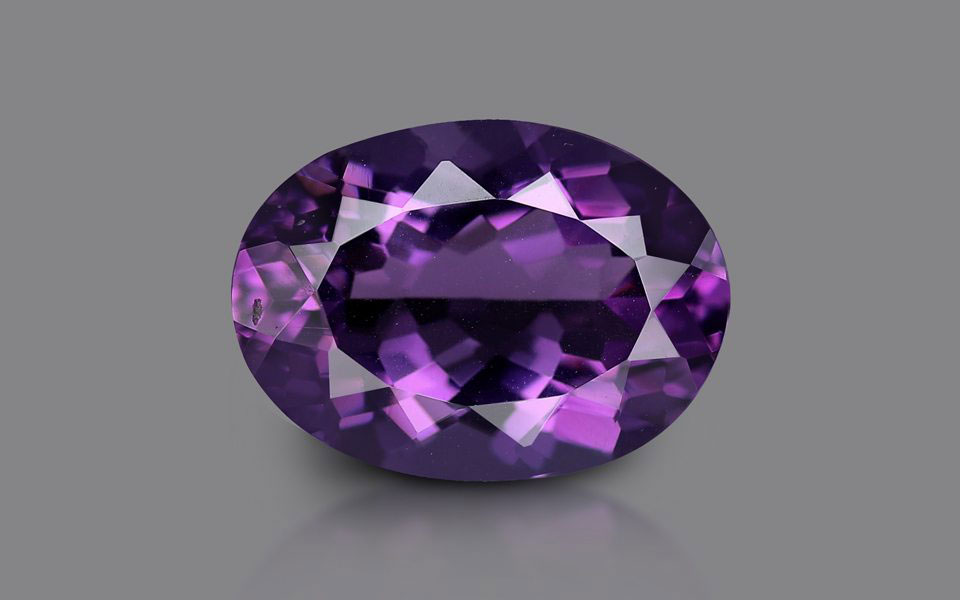
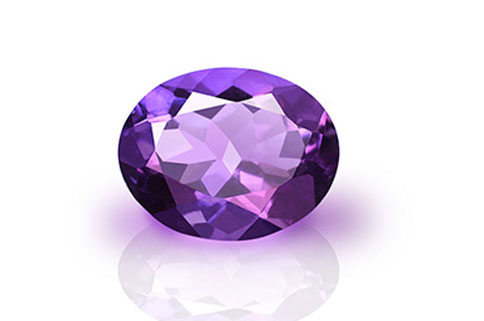 Amethyst is the violet variety of quartz and is a fashionable gemstone. If it were not for its extensive availability, amethyst would be very expensive. The name "amethyst" is derived from the Greek and signifies "not drunken," possibly due to a belief that amethyst would ward off the evil effects of alcohol, but most likely the Greeks were referring to the more or less wine-like color of some quartz they may have encountered.
Its color is incomparable, yet other purple gemstones are often compared to its color and beauty. Although it must always be purple to be amethyst, it can encompass a wide array of purple shades.
Amethyst is the violet variety of quartz and is a fashionable gemstone. If it were not for its extensive availability, amethyst would be very expensive. The name "amethyst" is derived from the Greek and signifies "not drunken," possibly due to a belief that amethyst would ward off the evil effects of alcohol, but most likely the Greeks were referring to the more or less wine-like color of some quartz they may have encountered.
Its color is incomparable, yet other purple gemstones are often compared to its color and beauty. Although it must always be purple to be amethyst, it can encompass a wide array of purple shades.
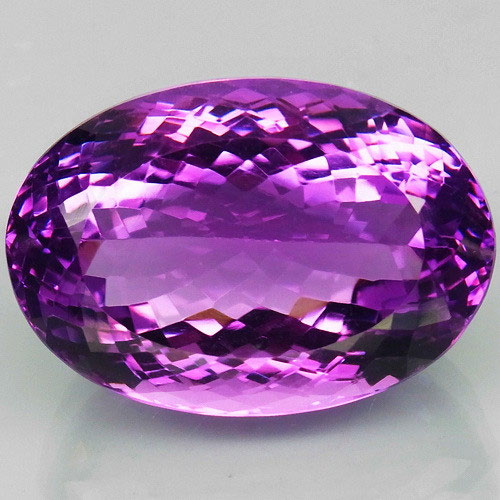
Amethyst can form as prismatic crystals with a 6 sided pyramid at both ends or can form as druses which are crystalline shells and only show the pointed terminations. As a gemstone, amethyst is admired for its striking color and attractive crystal shapes, making it a gorgeous, purple, dazzling cluster.
However, amethyst is not known everywhere. Different localities can produce a distinct amethyst to that particular region or even to that particular mine. Experts can often identify the base mine that a particular amethyst came from. The explanation for this is the sample's color, shape of crystal, inclusions, associations and mode of formation.