Home  Amber
Amber
Amber (Fossilized Resin)
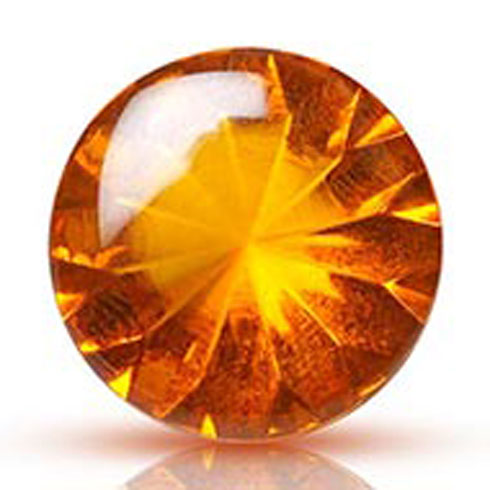 Amber is a unique and beautiful gemstone composed of fossilized tree resin, which is millions of years old. This semi-precious stone is known for its warm, golden color and its ability to capture and preserve insects, plants, and other natural elements. Amber has been used as jewelry, for medicinal purposes, and for a variety of other purposes for centuries, and its popularity continues to this day.
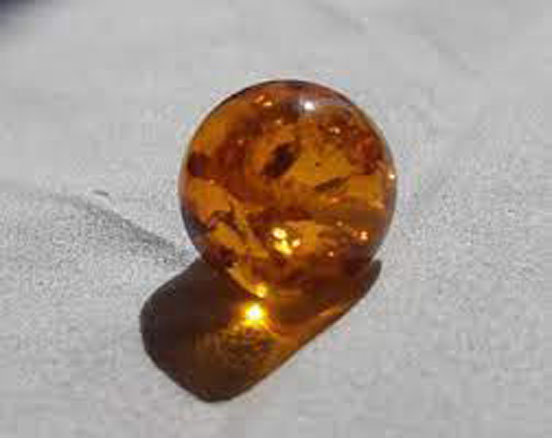
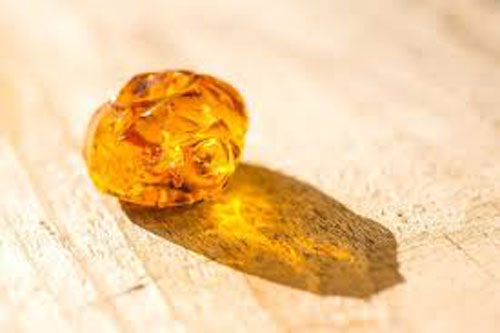
Amber can be found in a variety of colors, from the traditional golden yellow to a deep reddish-brown. The color of the stone will depend on the type of plant matter and impurities that were present in the resin when it fossilized. Amber can also range in clarity from transparent to very cloudy, with some stones containing tiny bubbles of air or other substances.
Amber is a unique and beautiful gemstone composed of fossilized tree resin, which is millions of years old. This semi-precious stone is known for its warm, golden color and its ability to capture and preserve insects, plants, and other natural elements. Amber has been used as jewelry, for medicinal purposes, and for a variety of other purposes for centuries, and its popularity continues to this day.
Amber can be found in a variety of colors, from the traditional golden yellow to a deep reddish-brown. The color of the stone will depend on the type of plant matter and impurities that were present in the resin when it fossilized. Amber can also range in clarity from transparent to very cloudy, with some stones containing tiny bubbles of air or other substances.
Amber is often used to create beautiful jewelry, such as necklaces, earrings, and rings. It is also a popular material for carving, and it can be used to create animal and human figures, as well as other decorative objects. The gemstone is also used to make beads, which can be strung together to create necklaces and bracelets. Amber is believed to have a number of healing properties, and it has been used in folk medicine for centuries. It is believed to be a powerful protector against negative energy and is said to bring luck and good health to the wearer. It is also believed to improve the mood and reduce stress.
Amber is also believed to be a powerful stone for manifesting one's desires, and many people believe that it can help to attract wealth and success. It is also thought to be a powerful stone for clearing and cleansing the mind and body, as well as for protection against negative energy. Amber is also a popular material for metaphysical uses, and it is believed to be a powerful stone for meditation and spiritual healing. It is said to promote creativity, enhance intuition, and stimulate the third eye, allowing for greater spiritual insight.
Amber is also a popular material for metaphysical uses, and it is believed to be a powerful stone for meditation and spiritual healing. It is said to promote creativity, enhance intuition, and stimulate the third eye, allowing for greater spiritual insight. Amber is a beautiful and unique gemstone with a variety of uses. It is believed to bring luck and good health, as well as to bring wealth and success. It is also said to be a powerful stone for spiritual healing and protection against negative energy. With its beautiful color and unique properties, it is no wonder that amber is so popular and sought after.