Diamonds
Diamond Engagement Rings
Button 1
Button 2
Button 3
Button 4
Button 5
Button 6

Agate (Quartz: chalcedony)

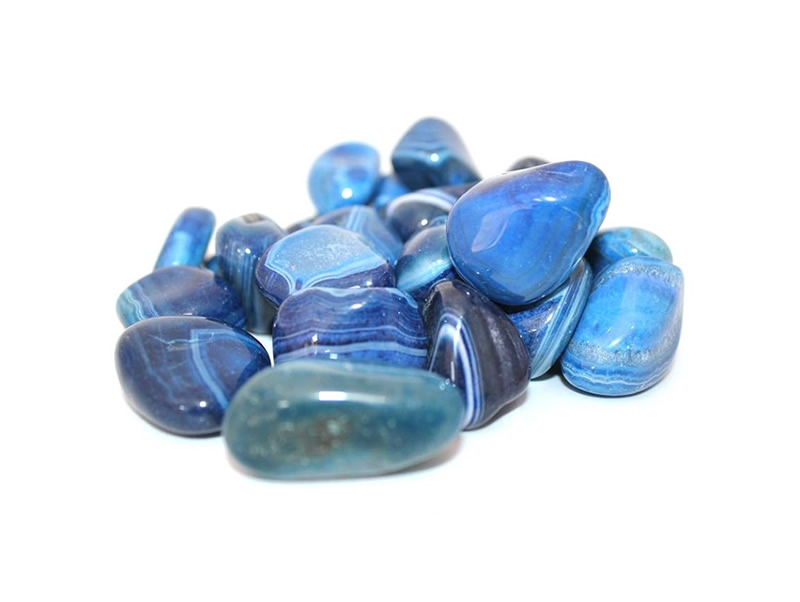
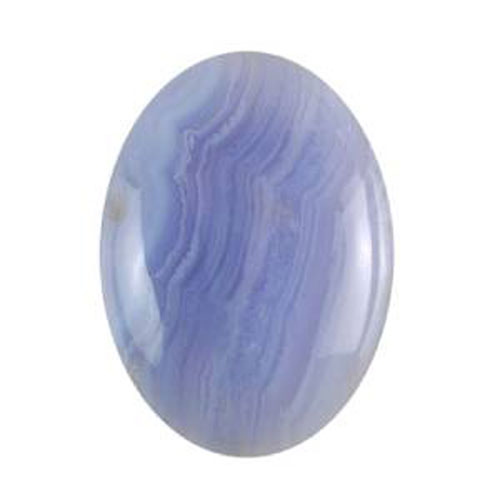
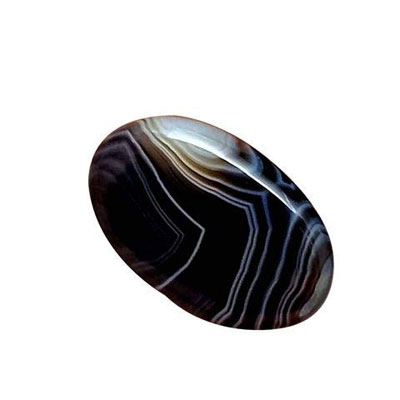
Agate stoneAgate, is a conspicuously stripy variety of Chalcedony, It is an array of Quartz gemstones poised of layers of quartz, at times of varying colors. When it is concentrically banded (habitually in rather untamed patterns) it is called by the sub-variety name "agate." When it is in plane layers/bands it is addressed by the sub-variety name "onyx."Agate more often than not transpires as rounded nodules or veins in rock such as volcanic lava. These stratums of quartz are over and over again concentric in nature. The concerto of agate changes significantly, but silica is always principal, habitually with alumina and oxide of iron. Agates are formed in most colors. There are quite a lot of varieties of agate. To name the Common ones: blue lace agate, moss agate, tree agate and petrified wood.

The crypto-crystalline variants of quartz may be estranged into 2 types; stringy and micro granular. Chalcedony is the universal term useful to the stringy cryptocrystalline varieties. Agate is an illustration of a stringy crypto-crystalline banded chalcedony range of quartz. Carnelian, Chrysoprase and bloodstone are other chalcedony variants.

Types of Agate

A Mexican agate, showing only a single eye, has received the name of "cyclops agate." Included matter of a green, golden, red, black or other color or combinations embedded in the chalcedony and disposed in filaments and other forms suggestive of vegetable growth, gives rise to dendritic or moss agate (named varieties include Maury Mountain, Marston Ranch, Sheep Creek and others). Dendritic agates have beautiful fern like patterns on them formed due to the presence of manganese and iron oxides. Other types of included matter deposited during agate-building include sagenitic growths (radial mineral crystals) and chunks of entrapped detritus (such as sand, ash, or mud). Occasionally agate fills a void left by decomposed vegetative material such as a tree limb or root and is called limb cast agate due to its appearance.

Turritella agate is formed from fossil Turritella shells silicified in a chalcedony base. Turritella are spiral marine gastropods having elongated, spiral shells composed of many whorls. Similarly, coral, petrified wood and other organic remains or porous rocks can also become agatized. Agatized coral is often referred to as Petoskey agate or stone.

California's "Mojave Blue" agate has gained a great deal of attention in the past several years. This pastel blue or blue-gray agate cuts into attractive cabochons for jewelry and, in the hands of an expert carver, makes outstanding carvings.

Greek agate is a name given to pale white to tan colored agate found in Sicily back to 400 B.C. The Greeks used it for making jewelry and beads. Today any agate of this color from Sicily, once an ancient Greek colony, is called Greek agate. Yet the stone had been around centuries before that and was known to both the Sumerians and the Egyptians, who used the gem for decoration and religious ceremony.

Another type of agate is Brazilian agate, which is found as sizable geodes of layered nodules. These occur in brownish tones interlayered with white and gray. Quartz forms within these nodules, creating a striking specimen when cut opposite the layered growth axis. It is often dyed in various colors for ornamental purposes.

Certain stones, when examined in thin sections by transmitted light, show a diffraction spectrum due to the extreme delicacy of the successive bands, whence they are termed rainbow agates. Often agate coexists with layers or masses of opal, jasper or crystalline quartz due to ambient variations during the formation process.

Other forms of agate include carnelian agate (usually exhibiting reddish hues), Botswana agate, Ellensburg blue agate, blue lace agate, plume agates (such as Carey, Graveyard Point, Sage, St. Johns, Teeter Ranch and others), tube agate (with visible flow channels), fortification agate (which exhibit little or no layered structure), fire agate (which seems to glow internally like an opal) and Mexican crazy-lace agate (which exhibits an often brightly colored, complex banded pattern) also called Rodeo Agate and Rosetta Stone depending on who owned the mine at the time.


blog counter